
2050 Business Trends in Manufacturing: Embracing Lights Out Manufacturing

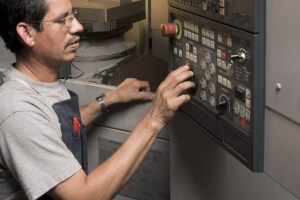
2050 Business Trends in Manufacturing: No Employees and Lights Out Manufacturing
The manufacturing industry is on the brink of a significant transformation, with trends pointing towards fully automated, employee-free factories, also known as lights out manufacturing. By 2050, advancements in artificial intelligence, robotics, and IoT are expected to revolutionize how manufacturing processes are executed. This article explores how lights out manufacturing will work and outlines the planning process needed over the next three decades to transition to this new paradigm.
Understanding Lights Out Manufacturing
Lights out manufacturing refers to factories that operate without human intervention, relying entirely on automated systems and robotics. These factories can function in complete darkness, hence the name, as there is no need for lighting or climate control for human workers. The concept promises increased efficiency, reduced costs, and enhanced precision in manufacturing processes.
How Lights Out Manufacturing Will Work
- Advanced Robotics: Robotics will perform all manual tasks, from assembly to quality control. These robots will be equipped with advanced AI to adapt to changes and perform complex tasks with precision.
- Artificial Intelligence: AI will oversee the entire manufacturing process, making real-time decisions to optimize production, manage supply chains, and maintain equipment.
- Internet of Things (IoT): IoT devices will connect machinery and systems, enabling seamless communication and coordination across the factory floor. Sensors will monitor every aspect of production, ensuring optimal performance.
- Predictive Maintenance: AI-driven predictive maintenance will preemptively address equipment failures, reducing downtime and extending machinery life.
- Digital Twins: Digital twins—virtual replicas of physical assets—will allow for real-time monitoring and simulation, ensuring that any issues can be identified and resolved before affecting production.
Planning for Lights Out Manufacturing: 2020-2050
2020-2030: Foundation Building
- Research and Development: Invest in R&D to develop advanced AI, robotics, and IoT technologies. Collaborate with tech companies and research institutions to drive innovation.
- Pilot Projects: Implement pilot projects to test and refine lights out manufacturing technologies. Identify potential challenges and develop solutions.
- Skilled Workforce Development: While the long-term goal is a fully automated factory, skilled human workers will be needed to design, implement, and maintain these systems. Invest in training programs to build a workforce adept at managing advanced technologies.
2030-2040: Scaling Up
- Infrastructure Upgrades: Upgrade existing manufacturing facilities to support advanced robotics, AI, and IoT integration. This includes enhancing network infrastructure for seamless data exchange.
- Standardization: Develop industry standards for lights out manufacturing technologies and processes to ensure interoperability and reliability.
- Data Management: Implement robust data management systems to handle the vast amounts of data generated by IoT devices and AI systems. Ensure data security and privacy.
2040-2050: Full Implementation
- Complete Automation: Gradually transition from human-operated to fully automated processes. Ensure that all systems are tested and reliable before full implementation.
- Regulatory Compliance: Work with regulatory bodies to ensure compliance with new regulations concerning fully automated manufacturing environments.
- Continuous Improvement: Implement continuous improvement practices to refine and enhance lights out manufacturing processes. Leverage AI and data analytics to drive ongoing optimizations.
Benefits of Lights Out Manufacturing
- Increased Efficiency: Automated systems can operate 24/7 without breaks, significantly increasing production rates.
- Cost Reduction: Eliminating the need for human labor reduces labor costs and associated expenses such as lighting, heating, and air conditioning.
- Enhanced Precision: Robots and AI can achieve higher levels of precision and consistency compared to human workers, improving product quality.
- Safety: With no human presence, the risks of workplace accidents are virtually eliminated.
Challenges and Considerations
- Initial Investment: The transition to lights out manufacturing requires significant upfront investment in technology and infrastructure.
- Cybersecurity: Fully automated systems are vulnerable to cyber-attacks, necessitating robust cybersecurity measures.
- Job Displacement: The shift to employee-free factories will lead to job displacement, requiring policies to manage workforce transitions and support affected workers.
- Regulatory Hurdles: New regulations will need to be developed to govern fully automated manufacturing environments, ensuring safety, reliability, and ethical considerations.
Lights out manufacturing represents the future of the manufacturing industry, promising unprecedented levels of efficiency, cost savings, and precision. However, the transition to this new paradigm requires careful planning and investment over the next three decades. By building a strong foundation today, manufacturers can position themselves to thrive in a fully automated future, ensuring their competitiveness and sustainability in the global market.