
Galvanized Steel vs Aluminum: A Comprehensive Comparison

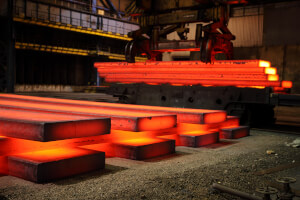
Galvanized Steel vs Aluminum
What is Galvanized Steel?
Galvanized steel is a type of steel that has been coated with a layer of zinc to protect it from corrosion. The galvanization process involves immersing the steel in molten zinc, which forms a strong bond with the surface of the metal. This zinc coating acts as a barrier that prevents moisture and oxygen from reaching the steel, thus significantly extending its lifespan. Galvanized steel is widely used in construction, automotive, and manufacturing industries due to its durability and cost-effectiveness.
How Does Galvanized Steel Compare to Aluminum?
Aluminum is a lightweight, corrosion-resistant metal commonly used in industries that require a combination of strength and low weight, such as aerospace, automotive, and consumer electronics. While both galvanized steel and aluminum offer corrosion resistance, they differ significantly in terms of weight, strength, cost, and specific applications.
Pros and Cons of Galvanized Steel vs Aluminum
Galvanized Steel:
Pros:
- High Durability: The zinc coating provides excellent protection against rust and corrosion, making galvanized steel ideal for outdoor and industrial applications.
- Cost-Effective: Galvanized steel is generally less expensive than aluminum, especially for large-scale projects.
- Strength: Steel is inherently stronger than aluminum, making it suitable for heavy-duty applications where structural integrity is critical.
- Long Lifespan: The galvanization process significantly extends the life of steel, reducing the need for frequent replacements.
Cons:
- Weight: Galvanized steel is heavier than aluminum, which can be a disadvantage in applications where weight is a critical factor.
- Aesthetic Limitations: The zinc coating can give galvanized steel a dull appearance, which may not be desirable in applications where aesthetics are important.
- Environmental Impact: The production of galvanized steel has a higher environmental impact compared to aluminum, particularly in terms of energy consumption and emissions.
Aluminum:
Pros:
- Lightweight: Aluminum is significantly lighter than steel, making it ideal for applications where reducing weight is essential, such as in automotive and aerospace industries.
- Corrosion Resistance: Aluminum naturally forms a protective oxide layer that resists corrosion, even without additional coatings.
- Aesthetic Appeal: Aluminum has a sleek, modern appearance and can be easily anodized or painted for various finishes.
- Recyclability: Aluminum is highly recyclable, with a lower environmental impact compared to steel.
Cons:
- Cost: Aluminum is generally more expensive than galvanized steel, particularly in raw material costs.
- Lower Strength: While strong for its weight, aluminum is not as strong as steel, which can limit its use in heavy-duty applications.
- Thermal Conductivity: Aluminum has higher thermal conductivity than steel, which can be a disadvantage in applications requiring low heat transfer.
Historical References
Galvanized Steel: The galvanization process was first developed by French chemist Stanislas Sorel in 1837. He discovered that coating iron with zinc significantly improved its resistance to rust and corrosion. Since then, galvanized steel has become a staple in construction, particularly in the late 19th and early 20th centuries when it was widely used for roofing, fencing, and water pipes.
Aluminum: Aluminum was first isolated by Danish chemist Hans Christian Ørsted in 1825, but it wasn’t until the late 19th century that it became commercially viable due to advancements in extraction methods. The development of the Hall-Héroult process in 1886 made aluminum production more cost-effective, leading to its widespread use in various industries, including aviation during World War II.
Bullet Point Examples of Galvanized Steel
- Galvanized Steel Pipes: Commonly used in plumbing and water distribution systems for their corrosion resistance.
- Galvanized Steel Roofing: Widely used in construction for its durability and ability to withstand harsh weather conditions.
- Galvanized Steel Fencing: Preferred in agricultural and industrial settings for its strength and long-lasting protection against rust.
- Galvanized Steel Automotive Parts: Used in the production of car bodies and frames to improve corrosion resistance and extend the lifespan of vehicles.
- Galvanized Steel Electrical Conduit: Utilized to protect electrical wiring in buildings, providing both durability and safety.
Advantages of Galvanized Steel and Its Applications vs Aluminum
Advantages of Galvanized Steel:
- Superior Corrosion Protection: The zinc coating on galvanized steel offers superior protection against corrosion, particularly in harsh environments such as coastal areas or industrial settings.
- Higher Strength: Galvanized steel’s inherent strength makes it ideal for structural applications where load-bearing capacity is critical.
- Cost Efficiency: For large projects, galvanized steel is often more cost-effective than aluminum, especially when considering the long-term maintenance and replacement costs.
Applications Where Galvanized Steel Excels:
- Construction: Galvanized steel is widely used in the construction industry for structural beams, roofing, and infrastructure projects due to its strength and durability.
- Automotive: In the automotive industry, galvanized steel is commonly used for body panels, chassis components, and other critical parts that require both strength and corrosion resistance.
- Agriculture: Galvanized steel is favored in agriculture for fencing, barns, and other structures that are exposed to the elements and need to withstand wear and tear.
- HVAC Systems: The durability and corrosion resistance of galvanized steel make it a preferred material for HVAC ducts and components.
Advantages of Aluminum:
- Lightweight Construction: Aluminum’s low weight makes it ideal for applications where reducing mass is crucial, such as in aerospace, automotive, and marine industries.
- Corrosion Resistance Without Coatings: Aluminum naturally resists corrosion, which can reduce maintenance requirements and enhance the longevity of products.
- Aesthetic Flexibility: Aluminum’s ability to be easily anodized or painted makes it a popular choice for products where appearance matters, such as consumer electronics and architectural elements.
Applications Where Aluminum Excels:
- Aerospace: Aluminum’s combination of lightweight and strength makes it indispensable in the aerospace industry for the construction of aircraft frames, wings, and other components.
- Automotive: Aluminum is increasingly used in automotive manufacturing for parts such as engine blocks, body panels, and wheels, where reducing weight can improve fuel efficiency.
- Consumer Electronics: The sleek appearance and lightweight nature of aluminum make it a favorite for smartphones, laptops, and other consumer electronics.
- Marine: Aluminum’s corrosion resistance and low weight make it ideal for marine applications, including boat hulls and components exposed to saltwater.
Conclusion
Both galvanized steel and aluminum offer unique advantages and are suited for different applications depending on the specific requirements of the project. Galvanized steel is known for its strength, durability, and cost-effectiveness, making it ideal for heavy-duty applications and environments where corrosion resistance is critical. On the other hand, aluminum’s lightweight, natural corrosion resistance, and aesthetic appeal make it the material of choice for industries where weight and appearance are paramount.
When selecting between galvanized steel and aluminum, it’s essential to consider factors such as the application’s structural demands, environmental conditions, and budget. Understanding the pros and cons of each material will help you make an informed decision that ensures the success and longevity of your project.