A Comprehensive Guide to Sheet Metal: Types, Applications, Industries, and CNC Processing

Guide to Sheet Metal: Applications, Industries, and CNC Processing
What is Sheet Metal?
Sheet metal is a thin, flat piece of metal formed by industrial processes and is one of the fundamental forms used in metalworking. It can be cut, bent, and shaped into various forms and is commonly used across multiple industries. The thickness of sheet metal varies, with thinner pieces referred to as "foil" or "leaf" and thicker pieces known as "plate." The versatility, durability, and cost-effectiveness of sheet metal make it a popular choice for a wide range of applications.
Different Types of Sheet Metal Materials
Sheet metal can be made from a variety of materials, each offering unique properties suited for specific applications. Below are some of the most common types of sheet metal materials:
- Steel
- Carbon Steel: Strong and durable, carbon steel sheet metal is often used in construction and automotive industries. It can be hot-rolled or cold-rolled, with cold-rolled steel offering a smoother surface finish.
- Stainless Steel: Known for its corrosion resistance, stainless steel is used in applications requiring durability and a clean, aesthetic finish, such as in kitchen appliances and medical devices.
- Galvanized Steel: Steel coated with zinc to prevent rusting, often used in outdoor and industrial applications.
- Aluminum
- Standard Aluminum: Lightweight and corrosion-resistant, aluminum sheet metal is used in aerospace, automotive, and consumer electronics.
- Anodized Aluminum: Aluminum that has been treated to enhance corrosion resistance and aesthetic appeal, often used in architectural applications.
- Copper: Highly conductive and corrosion-resistant, copper sheet metal is commonly used in electrical applications, roofing, and decorative arts.
- Brass: An alloy of copper and zinc, brass offers good corrosion resistance and is often used in decorative applications, musical instruments, and plumbing.
- Titanium: Known for its high strength-to-weight ratio and corrosion resistance, titanium sheet metal is used in aerospace, medical implants, and high-performance automotive parts.
- Nickel: Resistant to corrosion and oxidation, nickel sheet metal is used in chemical processing, marine environments, and high-temperature applications.
Applications for Sheet Metal
Sheet metal is incredibly versatile and is used in a wide range of applications, including but not limited to:
- Automotive Industry: Body panels, chassis components, and exhaust systems.
- Aerospace Industry: Aircraft skins, structural components, and interior fixtures.
- Construction Industry: Roofing, siding, HVAC systems, and structural elements.
- Consumer Electronics: Enclosures, frames, and heat sinks for devices like computers and smartphones.
- Medical Devices: Surgical instruments, hospital equipment, and medical implants.
- Energy Sector: Wind turbine components, solar panels, and oil and gas pipelines.
- Furniture and Home Appliances: Cabinetry, kitchen appliances, and decorative elements.
Industries That Use Sheet Metal
Sheet metal is a critical material in numerous industries, including:
- Automotive: Used in the production of vehicles, from body panels to exhaust systems.
- Aerospace: Essential in the construction of aircraft, spacecraft, and related components.
- Construction: Widely used in building infrastructure, HVAC systems, and roofing.
- Electronics: Used in the manufacture of electronic devices, housings, and enclosures.
- Medical: Used in the production of medical devices, surgical instruments, and hospital equipment.
- Energy: Involved in the production of energy infrastructure, including solar panels and wind turbines.
- Manufacturing: Used across various manufacturing processes to create tools, machinery, and products.
Types of CNC Machines That Process Sheet Metal
CNC (Computer Numerical Control) machines are extensively used in the sheet metal industry to ensure precision, efficiency, and consistency in manufacturing. Here are some of the key CNC machines used in sheet metal processing:
- CNC Laser Cutters: Laser cutting machines use a focused laser beam to cut sheet metal with high precision. Ideal for cutting intricate shapes and patterns in various materials, including steel, aluminum, and titanium.
- CNC Plasma Cutters: Plasma cutters use a jet of ionized gas to cut through electrically conductive materials like steel and aluminum. These machines are faster than laser cutters but are typically used for thicker materials.
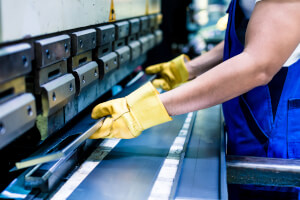
- CNC Press Brakes: Press brakes are used to bend sheet metal into specific angles and shapes. The CNC controls ensure accurate bends and repeatability, making them essential for parts that require precise angles.
- CNC Punching Machines: These machines punch holes and create shapes in sheet metal by using a hydraulic press. CNC punching machines are used for high-speed production of perforated sheets and complex shapes.
- CNC Shears: CNC shears are used to cut large pieces of sheet metal into smaller sections. The CNC control ensures precise cuts and minimizes waste.
- CNC Waterjet Cutters: Waterjet cutters use a high-pressure stream of water mixed with abrasive materials to cut through sheet metal. This process is ideal for cutting without generating heat, which can alter the material properties.
Interesting Facts About Sheet Metal and Historical Aspects
- Historical Origins: The use of sheet metal dates back to ancient times. The Egyptians were known to hammer gold into thin sheets to create jewelry and other decorative items. The practice of metalworking evolved over the centuries, leading to the industrialization of sheet metal production during the 18th and 19th centuries.
- Industrial Revolution: The Industrial Revolution marked a significant turning point in sheet metal production, with the introduction of rolling mills and mechanized processes. This period saw the mass production of sheet metal for use in construction, transportation, and manufacturing.
- Wright Brothers' Airplane: The Wright brothers' first successful airplane, the Wright Flyer, used sheet metal in its engine components, showcasing the material's importance in early aviation history.
- Art and Architecture: Sheet metal has also been used in art and architecture throughout history. For example, the Statue of Liberty's outer layer is made of copper sheet metal, which has naturally oxidized to its iconic green color.
- Modern Advancements: Today, advancements in CNC technology and material science have expanded the capabilities of sheet metal, allowing for the production of more complex and precise components across various industries.
Conclusion
Sheet metal is a versatile and essential material used across multiple industries for a wide range of applications. From automotive and aerospace to construction and electronics, sheet metal's adaptability makes it indispensable in modern manufacturing. With the help of advanced CNC machines, sheet metal can be precisely cut, shaped, and formed to meet the exacting standards of today’s industries.
Understanding the different types of sheet metal materials, their applications, and the industries that rely on them is crucial for anyone involved in manufacturing or design. Whether you're working on a small-scale project or a large industrial application, sheet metal offers the strength, durability, and flexibility needed to bring your vision to life.