
Microfactories: The Future of Agile, Localized Manufacturing

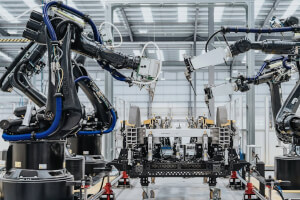
Microfactories: The Future of Agile, Localized Manufacturing
Microfactories are redefining the manufacturing landscape by offering compact, automated, and flexible production solutions. These small-scale facilities enable companies to produce customized, high-quality products closer to their target markets, reducing costs and environmental impact.
What Is a Microfactory?
A microfactory is a highly automated, small-footprint manufacturing facility designed for the efficient production of small batches of products. Unlike traditional large-scale factories, microfactories utilize advanced technologies such as robotics, CNC machines, and digital fabrication tools to achieve high levels of precision and flexibility in a compact space.
History of Microfactories
The concept of the microfactory originated in 1990 at Japan's Mechanical Engineering Laboratory (MEL). The goal was to create downsized manufacturing systems that matched the size of the products being made, thereby conserving space, energy, and materials. Over time, this concept evolved to incorporate modularity and automation, leading to the modern microfactory.
Advantages of Microfactories
- Space Efficiency: Microfactories require significantly less space than traditional factories, making them suitable for urban environments.
- Cost Reduction: Lower initial capital investment and operational costs due to reduced size and automation.
- Flexibility: Easily adaptable to produce different products or respond to changing market demands.
- Sustainability: Reduced energy consumption and waste generation contribute to a smaller environmental footprint.
- Localized Production: Proximity to end-users decreases shipping costs and lead times, enhancing customer satisfaction.
⚠Disadvantages of Microfactories
- Limited Production Volume: Not ideal for mass production scenarios requiring high output.
- High Automation Costs: Initial setup of advanced automation systems can be expensive.
- Skilled Workforce Requirement: Operation and maintenance of sophisticated machinery necessitate specialized skills.
- Integration Challenges: Incorporating microfactories into existing supply chains may require significant adjustments.
Global Adoption and Popularity
Microfactories have gained traction worldwide, particularly in industries where customization, speed, and sustainability are paramount. Regions like Europe, North America, and parts of Asia are witnessing increased adoption, driven by advancements in automation and a shift towards decentralized manufacturing models.
Case Study: Arrival's Microfactory Model
UK-based electric vehicle manufacturer Arrival has pioneered the use of microfactories in the automotive industry. Instead of traditional large-scale plants, Arrival establishes smaller, automated facilities close to key markets. These microfactories, occupying approximately 200,000 square feet, are designed to produce electric vans and buses efficiently and sustainably. By localizing production, Arrival reduces transportation costs, supports local economies, and can swiftly adapt to market changes.
The Future of Microfactories
As industries continue to prioritize agility, customization, and sustainability, microfactories are poised to play a significant role in the future of manufacturing. Advancements in technologies like artificial intelligence, Internet of Things (IoT), and additive manufacturing will further enhance the capabilities and appeal of microfactories across various sectors.