Cost Comparison Between CNC Subtractive Machining and Additive 3D Printing

Cost Comparison Between CNC Subtractive Machining and Additive 3D Printing
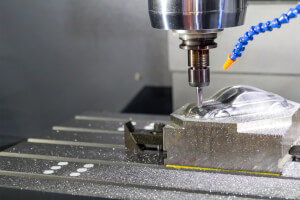
The cost comparison between CNC subtractive machining and additive 3D printing depends on various factors, including the complexity of the part, material costs, production volume, and specific applications. Here is a detailed comparison of both methods:
CNC Subtractive Machining
Pros
- Material Variety: CNC machining can work with a wide range of materials, including metals, plastics, and composites.
- Precision and Accuracy: Offers high precision and tight tolerances, making it ideal for parts requiring exact specifications.
- Surface Finish: CNC machining generally provides better surface finish and detailing.
- Strength and Durability: Produces parts with superior mechanical properties, especially when using metals.
Cons
- Material Waste: CNC machining is inherently wasteful as it involves cutting away material from a solid block.
- Setup Time and Costs: High setup costs, including programming and tooling, especially for low-volume production.
- Complexity Limitations: Limited ability to produce complex geometries and internal structures compared to 3D printing.
Cost Factors
- Material Costs: Depending on the material, CNC can be more expensive due to waste.
- Tooling Costs: Requires specific tools and fixtures, adding to the cost.
- Operational Costs: Includes machine operation, maintenance, and labor.
Additive 3D Printing
Pros
- Complex Geometries: Capable of producing complex and intricate designs that are difficult or impossible with CNC machining.
- Material Efficiency: Uses only the material necessary to build the part, resulting in less waste.
- Flexibility: Easily customizable and suitable for rapid prototyping.
- Lower Setup Costs: Reduced setup time and costs, especially beneficial for low-volume and prototype production.
Cons
- Material Limitations: Limited to specific types of materials, primarily plastics, resins, and some metals.
- Surface Finish and Precision: Generally lower surface finish quality and precision compared to CNC machining.
- Mechanical Properties: Parts may not have the same strength and durability as those produced by CNC machining.
Cost Factors
- Material Costs: Material costs can vary, with some specialized 3D printing materials being quite expensive.
- Machine Costs: High-end industrial 3D printers can be costly, though entry-level models are relatively affordable.
- Operational Costs: Includes energy consumption and maintenance of the 3D printer.
Comparative Cost Analysis
Initial Setup Costs
- CNC Machining: High setup costs due to tooling and programming.
- 3D Printing: Lower setup costs, especially for small batches and prototypes.
Material Costs and Waste
- CNC Machining: Higher material waste and associated costs.
- 3D Printing: Lower material waste, potentially reducing material costs.
Production Volume
- CNC Machining: More cost-effective for high-volume production due to economies of scale.
- 3D Printing: More cost-effective for low-volume production and custom parts.
Complexity and Design Flexibility
- CNC Machining: Limited in producing complex geometries.
- 3D Printing: Excels at creating complex and intricate designs without additional cost.
Conclusion
The choice between CNC subtractive manufacturing and additive 3D printing ultimately depends on the specific requirements of the project. For high-precision, high-strength parts with simpler geometries and high production volumes, CNC machining is often more cost-effective despite its higher setup and material costs. Conversely, for low-volume, complex, and custom parts, 3D printing offers significant cost advantages due to its flexibility, lower setup costs, and reduced material waste.
Sources:
CNC Machining vs. 3D Printing: What's the Difference?
3D Printing vs. CNC Machining: Which is Better for Prototyping?
Understanding the Costs of 3D Printing
CNC Machining: The Complete Guide